Snölöpning

Vintern är här. Snön ligger som ett täcke på marken. Men vad händer med den traditionella utelöpningen när vägarna och stigarna är täckta av Kung Bores magiska flingor? Som född och uppvuxen i de nordliga delarna av vårt avlånga land får jag nog säga mig inte veta så mycket bättre än att ”He är bara å he sig ut”! Idel löpturer är avverkade i alla möjliga väder såsom soliga vinterdagar, snöstorm, blixthalka och dagar med blidväder.

Även fast vädret inte alltid bjuder på dagar som dessa rekommenderar jag att du tar tillvara på dagsljuset och kombinerar det med en uppfriskande löptur. Har du inte ”inbyggda” broddar under sulan så fungerar vanliga gympadojjor med externa broddar. Kläder efter väder där jag vintertid oftast har på mig vindtights (står emot vind på framsidan av benen), underställ av ull eller polyester (beroende på temperatur), funktions t-shirt och en vindjacka. Även vantar och buff är att icke förglömma. Ullstrumpor använder jag utifall skorna skulle bli blöta – då värmer strumporna ändå.

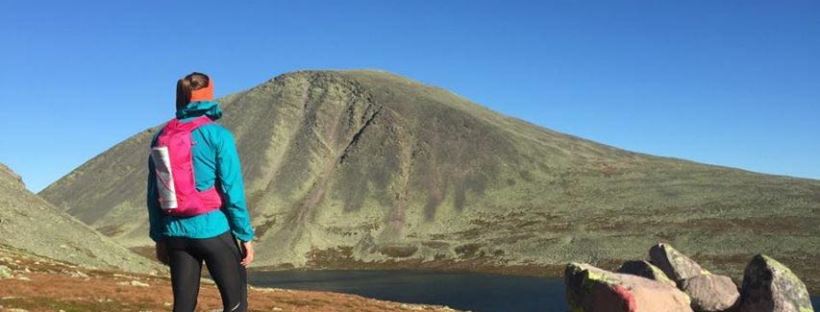
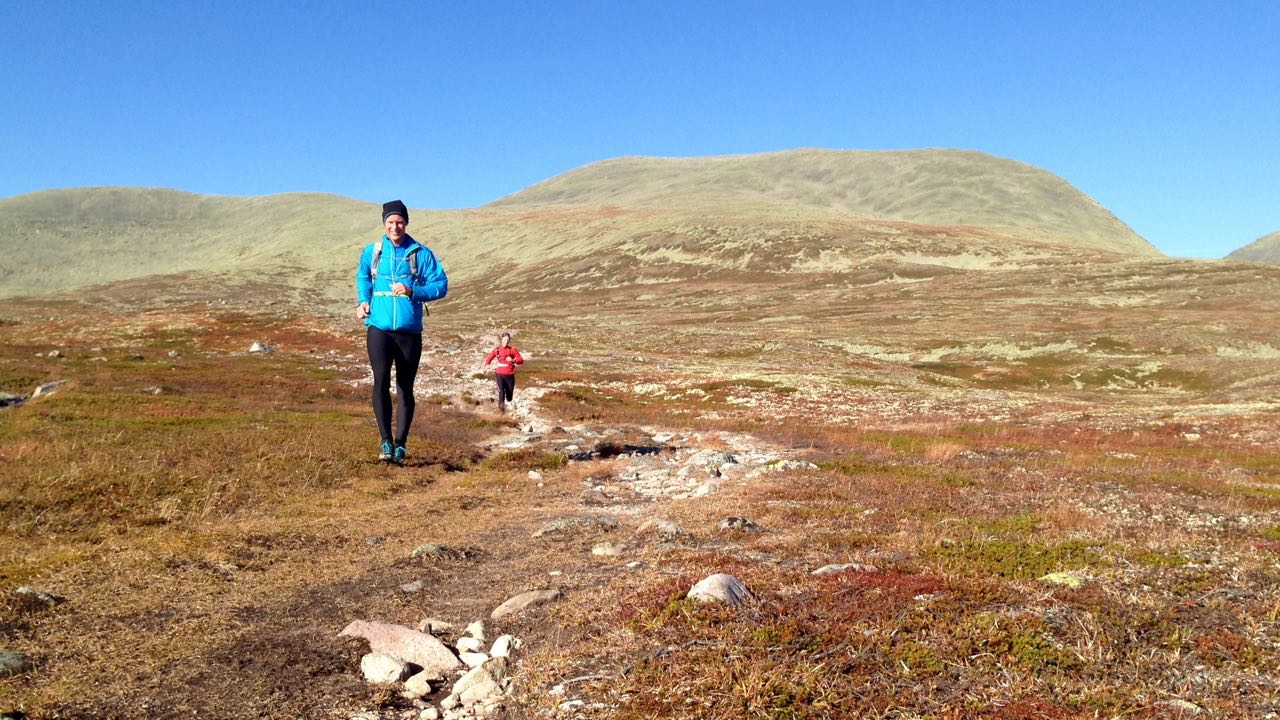
Nedan följer bilder från dagens löptur uppe i Grövelsjöfjället.

/Linnea

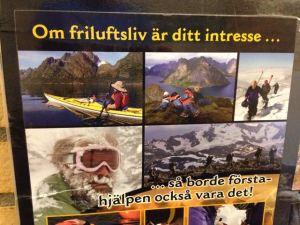
If outdoor life is in your interest – first aid should also be that!

This quote is from the education programI’ve recently finished and is an excellent saying of how outdoor people should think. The course I’ve taken is called Wilderness Advanced First Aid, WAFA. The school, which goes under the name NOLS and stands for National Outdoor Leadership School, is located in USA and was founded 50 years ago. Me and my class were very lucky to get this opportunity to study this course – and also to have two inspiring teachers learning us how to take care of injured people. The course lasted for five days with hours in school from 8 am to 5 pm, and also night shifts on wednesday and thursday. On thursday we got to have scenarios with highschool students acting injured patients.

You never know what will happen in the wilderness

When you’re out in the ”wilderness” you never know what will happen. Many things you need to figure out by your self and how to act in the best way considering what access to help you have and materials. But there are some rules you always need to follow and the most important is to look after you self. If you get injured you won’t be able to help the other person.
If you get to a person in need you should always have this in mind;
L-ABCDE
L = Location: Is it safe for me to enter the area and the injured person? What could have happened – risk of back injury? Are there any blood and do I have glows to protect my hands? Are there any more people? Is this a situation where it’s a question about life or death?

There are some indicators to have in mind if the persons neck needs to be immobilized and if you suspect there could be a neck- or back injury you need to immobilize the head immediately.

A = Airways: You have to make sure the airways are clear.
B = Breathing: Is the patient breathing?
C = Circulation: Are the patient bleeding? Check the whole body. Does the patient have pulse?
D = Decision: Should you continue immobilize the patients neck or have you gotten enough information to release the head?
E = Evaluation: Here you start to have a look at the patients most important complaint and do a full body examination. Palpation, strenght/movement in feet and hands, looking for liquid from ears and so on. You also need to check vital parameters such as pulse, awareness, the skin temperature/color and breathing. Also questions about the situation, medical history, allergies, medication, how the patient has been eating/drinking and so on.
A few example from what we learned about in the course
  • Burning injury

    The skin can be injured on different levels. Outdoor people usually burn their hands and feet because of sitting down when cooking their food in the outdoor kitchens. If the skin is injured you need to cool it down with lukewarm water at least 15 min to get deep down in the tissue. Remove rings and watches. All full-skin-injuries (all the way down to muscle tissue, skeleton and fat tissue) should be evacuated. Also if you’ve injured your face, neck, hands, feet, armpits and growings.

  • Blisters

    You can get blisters from friction, burning injuries and frostbites. One rule is to not puncture a blister because of the infection risk, but if you need to continue walking in your boots you’ll probably need to drain, wash and put tape (for example blistoban) on the blister. When you drain the blister the needle needs to be sterilized! The best way to avoid blisters is to check your feet regularly and if you get the smallest sense that your skin is getting warmer on a certain spot – take off your boots and cover with tape or something that takes away the friction.

  • Hypothermia

    This condition can be very serious and can go very fast. Hypothermia means that your body decreases in temperature and below 35 degrees you are in a mild stage of hypothermia. You’re shivering, your pulse increases to give more blood to your body, you can get frustrated and angry. Here you need to get your self activated/in movement, dry and more clothes, water and food.

    Moderate hypothermia means you’ve reach another state of temperature drop in your body. Your body is now shivering without control and your state of mind is on a low level. You’re pale and passive. You’ll need the same treatment as on the ”mild stage” and also get in a ”warm package” – for example wrapped in warm clothes in a sled.

    Serious hypothermia means you’re unconscious, no shivering, your heart is weak and you’ll probably need help with your breathing. This person have to be wrapped in warm clothes and in a ”warm-package” and evacuated immediately.

Other medical conditions, injuries and treatment
 
Some other conditions/injuries/treatments we’ve learned about are:
CPR, altitude sickness, infections, muscle/skeleton injuries, amputations, medical chock, head injuries, back injuries, how to build a litter, pneumothorax, how to take care of wounds and also wounds caused by external material (for example a stick), how to act in thunderstorms, drowning accidents and much more.
This week with the WAFA-course feels like a perfect complement to my physiotherapist education. With all my knowledges I hope to act in the right and best way I can to help people in need. But remember always to be a step ahead and prepare yourself for the activity you’re about to tackle.
Linnea
IMG_7464

A perfect saying for outdoor people!

IMG_7508

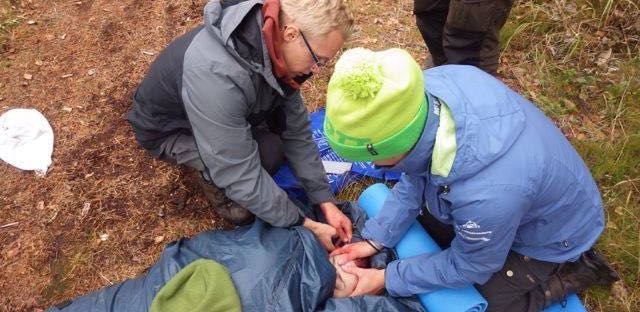
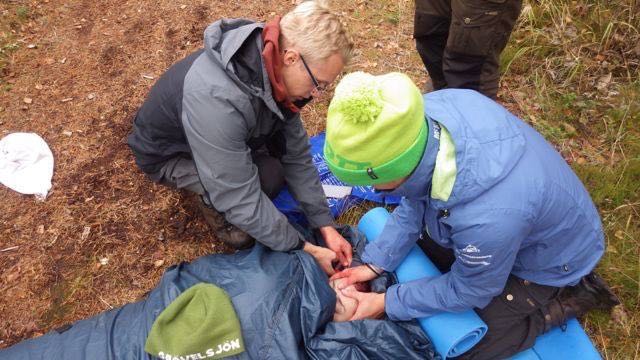
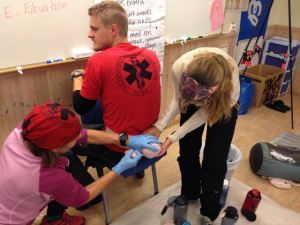
Immobilizing the head. Here we’ve rescued a person laying in cold water.
IMG_7378

Wrapping a wound with a stick in the back.

IMG_7354

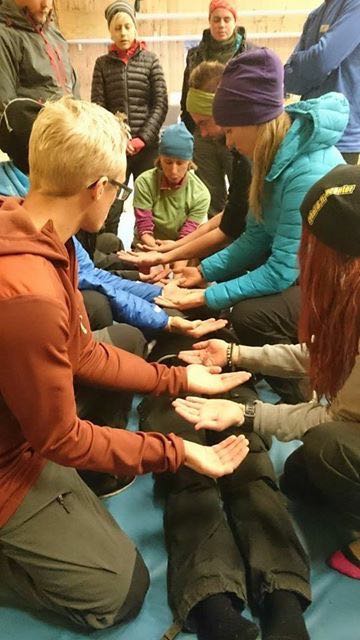
Organizing our selfs before we start to carry the patient.

IMG_7495

My amazing class mates, two teachers and Benjamin after graduating from the course.

IMG_7492

Proud to have completed the course and get the diploma!

The top of the Queen

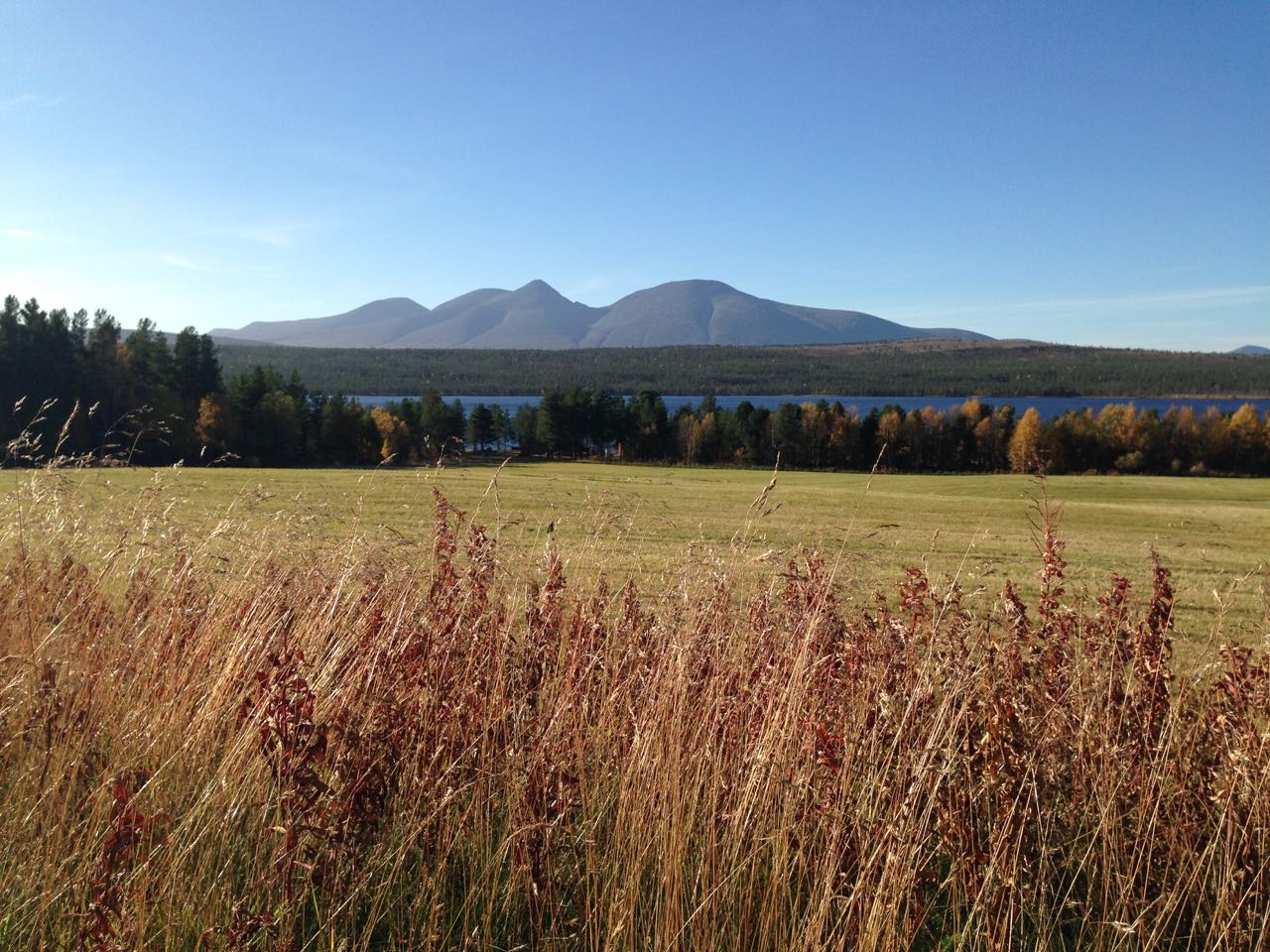
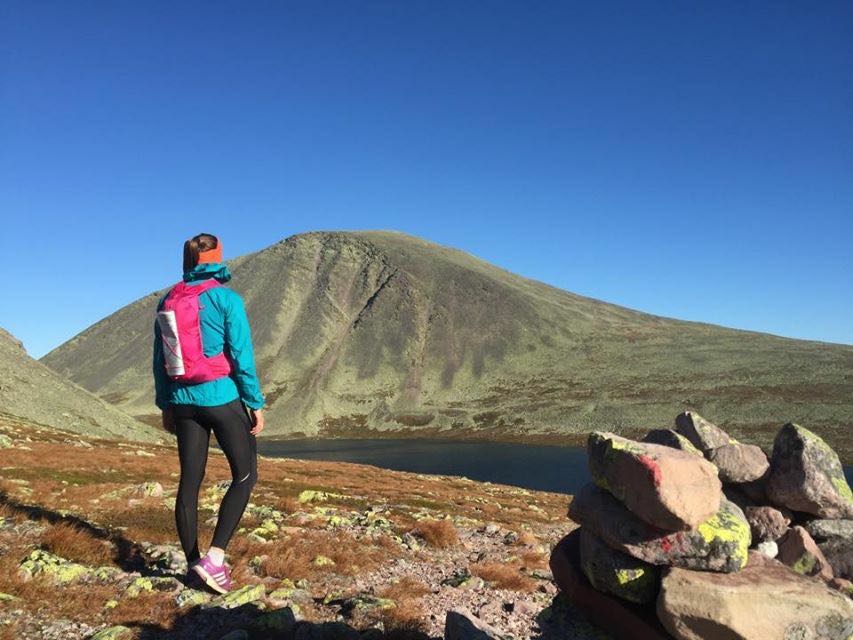
This weekend I’ve been up in the mountains in Grövelsjön and its surroundings. The autumn has shown it self from its most beautiful side, with all the yellow and red colors and also a sun that is still warming. In Rendalens community you can find a dramatical mountain with three tops which together goes under the nickname ”The Queen”. The real name is Rendalssølen and the highest top is called Store Sølen, 1755 m. But it’s not just the top that makes it worth going there. The track all the way to the valley, the crystal clear lakes and the massive mountains give that little extra to get the perfect cinnamon bun. From Grövelsjön it takes about 1 h and 15 minutes drive. And from where the hike starts it took us 4 h and 20 minutes with return, total distance 24,5 kilometers. Note that we did jogging, a bit of walking and also took a 30 min stop on the top for a lunch break. Before continuing the last 500 height meters to the top you should refill your bottle with water (down in the Valley).

IMG_7111

Rendalssølen from a distance. The highest point, which looks like a shark fen, called Store Sølen (1755 meters above sea level), is where we went up.

IMG_7037

On the ”road” again. High on mountain life.

IMG_7078

Taking the opportunity to refill the water tank.

IMG_7102

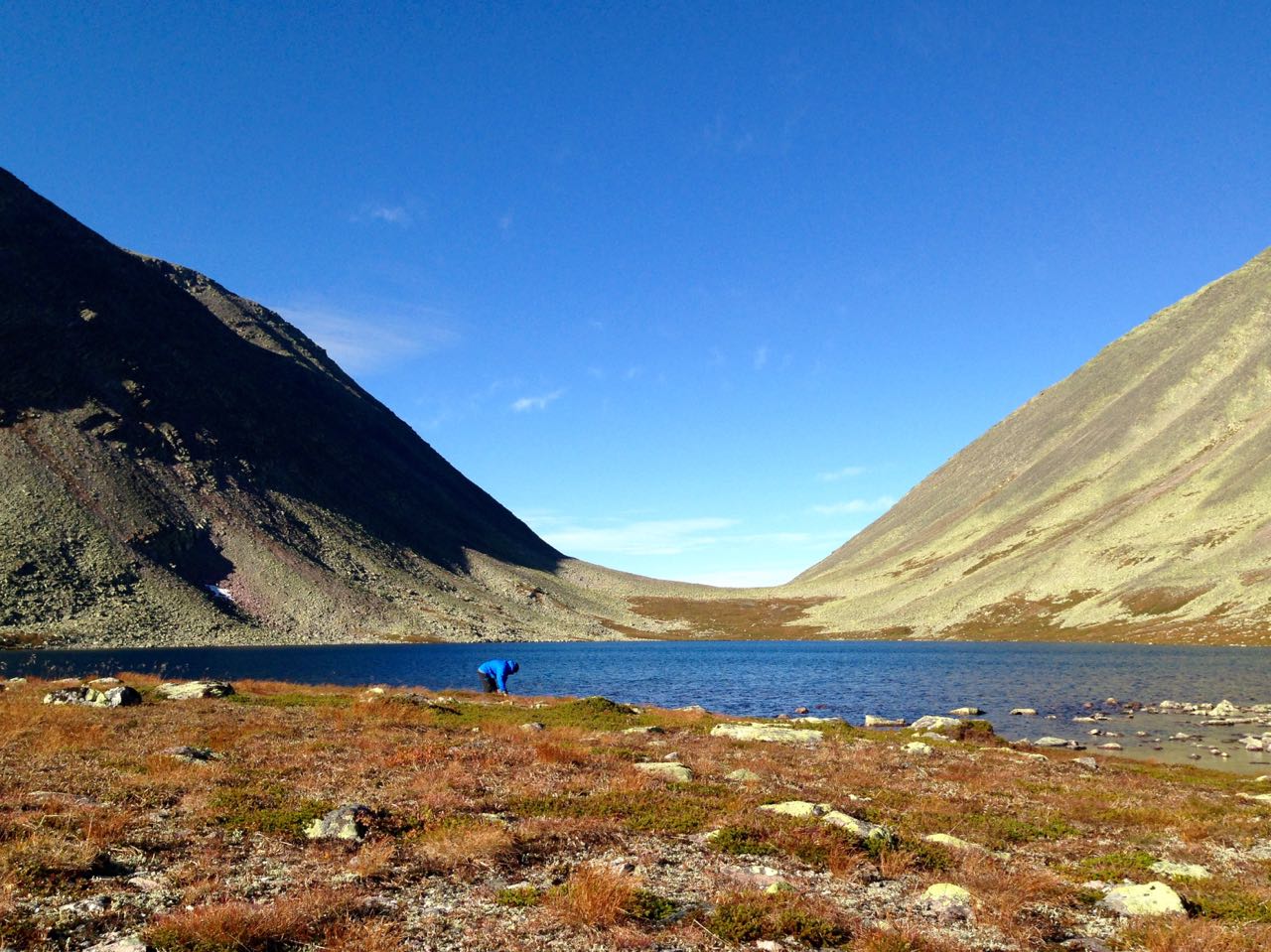
The Valley, up on 1200 m.

IMG_7063

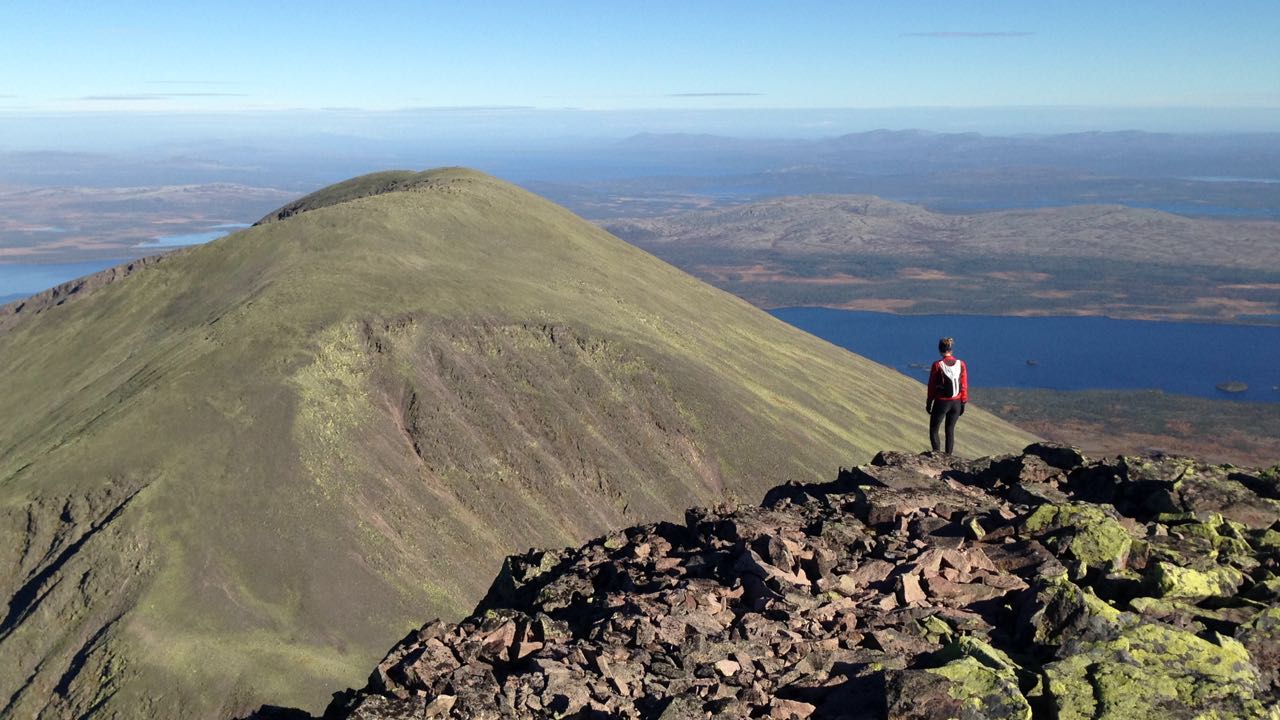
My friend is looking out over Norway with its spectacular view.

IMG_7245

It’s quite steep on the top. But with an incredible view.

IMG_7242

Go, go, go. And in between, remember to slow down, breath and enjoy the mountains.

IMG_7104

The track and environment invites to jogging.

IMG_7250

Thank you Rendalssølen for my first visit to you.

Linnea

What kind of sleeping bag do I need?

Go camping or hiking and stay in tent over the night means that you’ll need a sleeping bag. But there are many different kinds of sleeping bags… This post can hopefully give you an idea of what and how to choose which one is right for your needs.

Start your research with these questions:

1. During what time of the year do you intend to use your sleeping bag?
Is it mainly during summer time or when it’s colder outside? There are different kind of sleeping bags which go under the cathegory; 1-4 seasons. A four-season bag means that the bag is aimed to be used the whole year around. A three-season means you can have it spring, summer and autumn. This bag is the most allround (if you sometimes will go out in the winter and don’t have a proper winter bag you can use two sleeping bags and get the warm degrees you need). Remember to look at the comfort temperature to make sure they will reach up to the temperatur you’ll need.

2. Are you like me, meaning a person who often is cold or who easily gets warm?
A sleeping bag for summer should have a comfort to -5C and a winter bag to -25C. Remember that women need a higher temperature then men. Always look at the comfort for your gender. To increase your temperature you can have a sleeping bag liner (made of cotton, or even better – silk) and use it inside your sleeping bag). The liner also keeps your bag last longer.

3. What kind of material should your sleeping bag be made of?
Down or synthetic material or a combination? Down is lighter and keeps you warmer, but are more expensive. The material gives you most isolation in correlation to its weight and volume. The quality of the down is classified according to its fill-power (cuin), meaning how ”fluffy” it is. The finer the down is the more isolation it gives. A filling of 400–450 cuin means average quality, 500–550 cuin is considered good, 550–750 cuin is considered very good och 750+ is excellent. Before you buy a sleeping bag made of down, make sure it follows ethical rules. Synthetic bags are a bit heavier, but if it gets wet it dryes faster. They are usually cheaper. Mainly used in the summer/warmer weather conditions. The ”foot” of the bag should have the shape of an elephants foot rather than a fish-tale; which keeps you warmer.

4. How to ”behave” in your sleeping bag?
When you move around in your bag the warm air goes out. The new air that comes in then needs to be warmed up again.

Other tips:
When you arrive to the place and set your camp you shall straight away unfold your sleeping bag (especially if it’s made of down). When you come back home you should hang it up and let it dry for a few days. Never let it stay in your compression bag; instead use a big ”net-bag” or let it hang on a rack (just make sure it doesn’t become small scratches or marks because of frequent pressure against the same point).

Hopefully you’ve got some more ideas before you make your decision what kind of sleeping bad you’ll buy. Also talk with the staff in the outdoor stores, they should know about their products and guide you in the sleeping bag jungle.

Linnea

IMG_6100

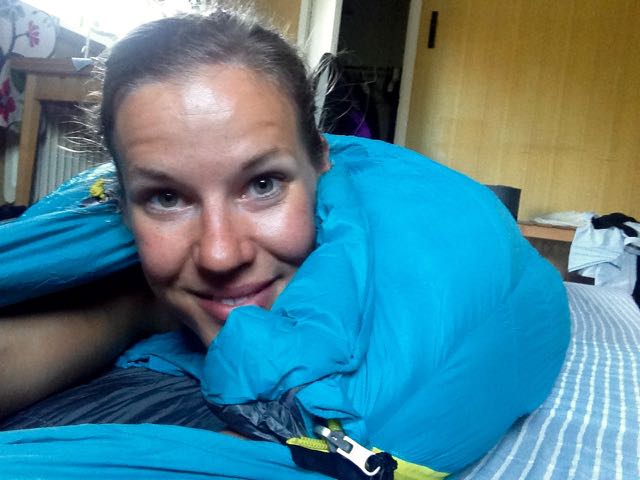
A warm and cozy sleeping bag is a real luxury and a safety when sleeping in tent. A good sleep makes you happier and your body and mind works better.

Light is right!

Going hiking usually means a lot of luggage and outdoor equipment. There are many questions to answer before you start to pack your bag, for example:

  1. how long time you’ll be away?
  2. what will the weather be like (will it rain, be very cold…)?
  3. will you stay in huts or are you camping outside?
  4. what previous knowledges and experiences do you and your friends have from outdoor life and how challenging will this trip be?
  5. Any medical aspects/physical difficulties to have in mind?

Shelter, sleep and carry

One rule is to carry light and only bring stuff you really need. A maximum of 3 kilos for shelter (tent), sleep (sleeping bag and mattress) and carry (backpack) are recommended. If you’re planning to set a basecamp and do day trips, a smaller backpack is unbeatable. With my personal equipment this ”3-kilo-rule” is very limited for me, but gives me an idea how I should think when I need to/consider to update my outdoor equipment. Every extra piece of gram you add on to your luggage means extra kilos on your feet, knee and so on.

IMG_5340

Your luggage with tent, backpack and sleeping equipment shouldn’t weigh more than 3 kilos in total.

IMG_6270

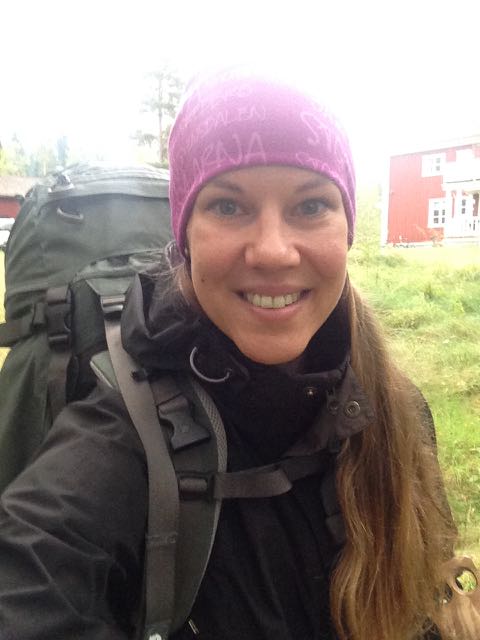
A comfortable and hard wearing backpack that doesn’t way to much are preferred.

”Going hiking is like preparing for a longterm backpacker trip. You need to consider every piece of luggage, meaning what to bring and what to leave at home. But remember to always have safety in mind as rule number one”.

Linnea Nilsson-Waara